Conference Speaking Guide: Master the Art of Conference Presentations
Learn how to deliver outstanding conference presentations. Master proposal writing, stage presence, and audience engagement for successful conference speaking.
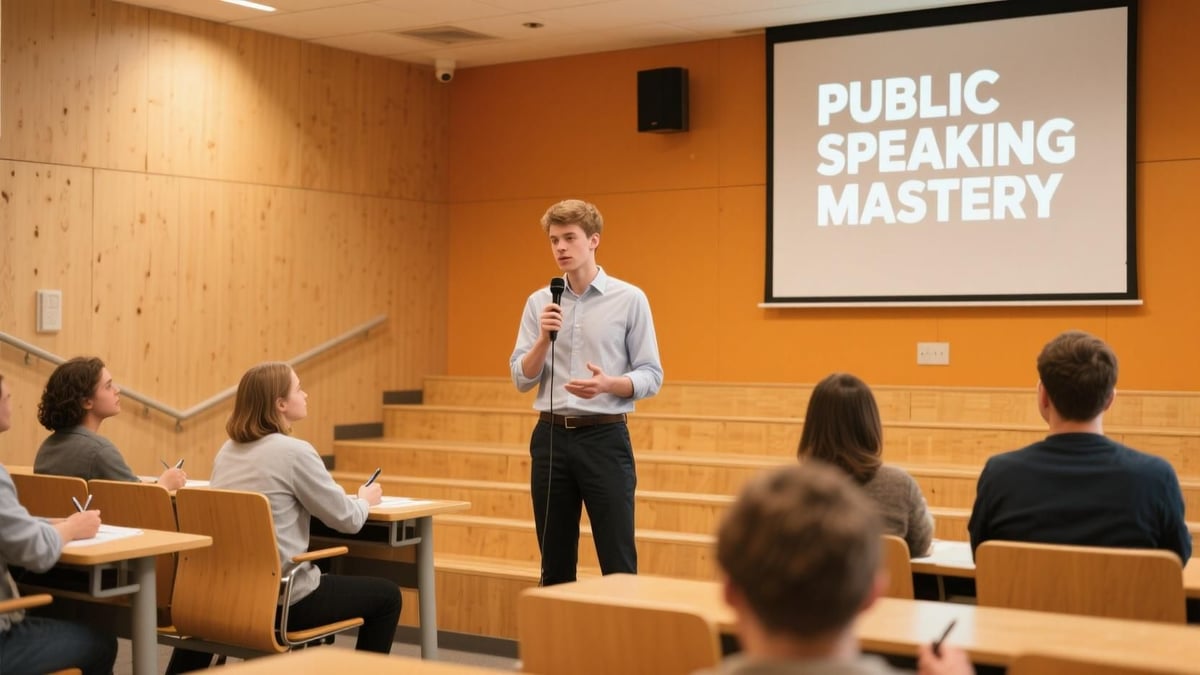
Conference Speaking Guide: Master the Art of Conference Presentations
Conference speaking is one of the most powerful ways to build your professional reputation, share expertise, and expand your network. This comprehensive guide teaches you everything from getting accepted to delivering a memorable presentation that audiences will talk about long after the event.
Why Speak at Conferences
Professional Benefits
Career Advancement:
- Establishes thought leadership
- Increases visibility in your industry
- Opens doors to new opportunities
- Builds professional credibility
Networking:
- Connect with industry leaders
- Meet potential clients or employers
- Build lasting relationships
- Expand your professional circle
Personal Growth:
- Develop communication skills
- Overcome public speaking fears
- Refine your expertise
- Gain confidence
Business Impact:
- Generate leads and sales
- Attract talent to your company
- Build brand awareness
- Establish market position
Getting Your Proposal Accepted
Understanding Conference Selection
What Organizers Look For:
- Relevant, timely topics
- Unique perspectives or insights
- Experienced, credible speakers
- Engaging presentation style
- Clear value for attendees
Competition Reality:
- Top conferences: 10-20% acceptance rate
- Regional conferences: 30-40% acceptance rate
- Niche conferences: 50-60% acceptance rate
Crafting a Winning Proposal
Title (Critical):
- Clear and specific
- Benefit-focused
- Intriguing but not clickbait
- Keywords for searchability
Examples:
❌ Weak: "Thoughts on Leadership" ✅ Strong: "From Manager to Leader: 5 Strategies That Transformed My Team"
❌ Weak: "AI in Business" ✅ Strong: "How We Used AI to Cut Costs by 40% Without Layoffs"
Abstract (300-500 words):
Structure:
- Hook (2 sentences) - Why this matters now
- Problem (3 sentences) - What challenge you're addressing
- Solution (5 sentences) - What you'll teach
- Takeaways (3 bullets) - What attendees will learn
- Credibility (2 sentences) - Why you're qualified
Example Abstract:
"The future of work is here, and 73% of companies are struggling to adapt. Remote teams face unique challenges in collaboration, culture, and productivity that traditional management approaches can't solve.
In this session, I'll share the exact framework we used to transform our fully remote team from struggling to thriving. You'll learn the three critical mistakes most remote leaders make, and the proven strategies that increased our team's productivity by 45% while improving satisfaction scores.
Key Takeaways: • The Remote Leadership Framework that works for teams of any size • 5 daily practices that build strong remote culture • Tools and systems that eliminate communication breakdowns
As VP of Engineering at [Company], I've led remote teams for 8 years across 15 countries. Our approach has been featured in [Publications] and adopted by over 100 companies."
Speaker Bio:
- Keep it relevant to your topic
- Highlight credentials and experience
- Include speaking experience
- Add personality
- 100-150 words
Proposal Strategy
Research the Conference:
- Review previous year's sessions
- Understand the audience
- Check speaker lineup
- Read selection criteria
- Note submission deadlines
Tailor Your Proposal:
- Match conference themes
- Address audience needs
- Use conference language
- Reference conference values
- Show you understand the event
Submit Multiple Proposals:
- Increase acceptance odds
- Offer variety to organizers
- Test different topics
- Learn what resonates
Preparing Your Conference Talk
Content Development
The 3-Act Structure:
Act 1: Setup (20%)
- Hook the audience
- Establish credibility
- Preview value
- Set expectations
Act 2: Content (60%)
- Deliver main points
- Provide evidence
- Share stories
- Engage audience
Act 3: Resolution (20%)
- Summarize key points
- Call to action
- Memorable closing
- Q&A preparation
Timing Your Content
For 20-Minute Talks:
- Opening: 2 minutes
- Main content: 15 minutes (3 points × 5 min)
- Closing: 3 minutes
For 45-Minute Talks:
- Opening: 5 minutes
- Main content: 30 minutes (3 points × 10 min)
- Closing: 5 minutes
- Q&A: 5 minutes
For 60-Minute Talks:
- Opening: 5 minutes
- Main content: 40 minutes (4 points × 10 min)
- Closing: 5 minutes
- Q&A: 10 minutes
Golden Rule: Always finish 5 minutes early to allow for Q&A and overruns
Slide Design for Conferences
Technical Considerations:
- Use 16:9 aspect ratio
- Minimum 30pt font size
- High contrast colors
- Test on projector
- Bring backup (USB + cloud)
Design Principles:
- One idea per slide
- Minimal text (6 words max)
- High-quality images
- Consistent branding
- Clear hierarchy
Avoid:
- Bullet point lists
- Small fonts
- Complex charts
- Busy backgrounds
- Too many slides
Slide Count Formula:
- 1 slide per minute maximum
- 20-minute talk = 20 slides max
- 45-minute talk = 45 slides max
Pre-Conference Preparation
Logistics Checklist
2 Weeks Before:
- Confirm session time and room
- Test presentation on conference system
- Prepare handouts or resources
- Promote your session on social media
- Prepare backup materials
1 Week Before:
- Finalize slides
- Practice full presentation 3x
- Prepare Q&A responses
- Book travel and accommodation
- Coordinate with organizers
Day Before:
- Visit the venue
- Test AV equipment
- Check room layout
- Meet organizers
- Get good rest
Day Of:
- Arrive 30 minutes early
- Test equipment again
- Meet room monitor
- Warm up voice
- Review notes
Technical Preparation
Equipment Checklist:
- Laptop with presentation
- Backup USB drive
- Presentation clicker
- Adapters (HDMI, USB-C, VGA)
- Phone with backup slides
- Water bottle
- Business cards
Backup Plans:
- Cloud backup (Dropbox, Google Drive)
- Email slides to yourself
- PDF version of slides
- Printed notes
- Demo videos (if live demo fails)
Delivering Your Conference Talk
Opening Strong
First 30 Seconds:
- Smile and make eye contact
- Thank organizers and audience
- State your name clearly
- Hook them immediately
Hook Techniques:
1. Startling Statistic "95% of conference presentations are forgotten within 24 hours. Let's make sure this isn't one of them."
2. Provocative Question "How many of you have ever sat through a boring conference talk? [Pause for hands] I promise this won't be one."
3. Personal Story "Three years ago, I gave my first conference talk. I was so nervous I forgot my opening line and stood in silence for 15 seconds..."
4. Bold Statement "Everything you know about [topic] is about to change."
Engaging Conference Audiences
Audience Interaction:
Polls and Questions:
- "Raise your hand if..."
- "How many of you have experienced..."
- "Quick poll: Option A or B?"
Activities:
- Turn and discuss with neighbor
- Quick exercise or challenge
- Live demonstration
- Audience participation
Humor:
- Self-deprecating jokes
- Industry-specific humor
- Relevant memes or GIFs
- Funny stories (test beforehand)
Energy Management:
- Vary your pace and volume
- Move around the stage
- Use gestures effectively
- Make eye contact
- Show enthusiasm
Handling Conference Logistics
Room Challenges:
Large Rooms:
- Project your voice
- Use microphone properly
- Make bigger gestures
- Move around stage
- Engage all sections
Small Rooms:
- More intimate tone
- Encourage discussion
- Make it conversational
- Easier eye contact
Technical Issues:
- Stay calm and professional
- Have backup plan ready
- Engage audience while fixing
- Use humor to diffuse tension
- Continue without slides if needed
Time Management
Staying on Schedule:
- Place clock where you can see it
- Mark time checkpoints in notes
- Have "cut" slides marked
- Practice exact timing
- Finish 2-3 minutes early
If Running Over:
- Skip optional content
- Summarize instead of detail
- Cut examples, keep main points
- Speed up slightly (not too much)
If Running Under:
- Expand on key points
- Add extra examples
- Take more questions
- Don't rush to fill time
Handling Q&A Sessions
Q&A Best Practices
Setting Up:
- Announce Q&A time clearly
- Explain how to ask (mic, hand raise)
- Set expectations (time, format)
- Encourage questions
Answering Questions:
The Formula:
- Listen fully to the question
- Repeat or paraphrase for audience
- Pause to think (shows thoughtfulness)
- Answer clearly and concisely
- Check if that answered their question
Difficult Questions:
"I don't know"
- Be honest: "Great question. I don't have that data, but I'll find out."
- Offer to follow up
- Ask if anyone in audience knows
- Don't fake knowledge
Hostile Questions:
- Stay calm and professional
- Acknowledge their perspective
- Respond to the substance
- Don't get defensive
- Move on quickly
Off-Topic Questions:
- "That's a great question for a different discussion"
- "Let's connect after to discuss that"
- "That's outside today's scope, but..."
No Questions:
- Have 2-3 prepared questions
- "A question I often get is..."
- Ask audience a question
- Offer to stay after for discussion
Post-Conference Follow-Up
Immediate Actions (Same Day)
Social Media:
- Thank organizers publicly
- Share key takeaways
- Post photos
- Engage with attendees
- Use conference hashtag
Networking:
- Connect with people you met
- Exchange contact information
- Follow up on conversations
- Join conference community
Short-Term Follow-Up (1 Week)
Share Resources:
- Upload slides to SlideShare
- Share recording (if available)
- Provide additional resources
- Answer follow-up questions
Build Relationships:
- Send personalized emails
- Connect on LinkedIn
- Share relevant content
- Offer to help
Long-Term Strategy
Leverage Your Talk:
- Write blog post about topic
- Create video content
- Develop workshop version
- Pitch to other conferences
Build Speaking Career:
- Request testimonials
- Update speaker page
- Submit to more conferences
- Refine your topics
Building Your Speaking Portfolio
Creating a Speaker Page
Essential Elements:
- Professional headshot
- Speaker bio (multiple lengths)
- Video clips of speaking
- List of past talks
- Testimonials
- Contact information
Optional Elements:
- Speaking topics
- Availability
- Fee structure
- Media kit
- Press mentions
Getting More Speaking Opportunities
Strategies:
1. Start Local:
- Meetups and user groups
- Local conferences
- Company events
- Workshops
2. Build Reputation:
- Deliver excellent talks
- Get testimonials
- Share recordings
- Network actively
3. Apply Strategically:
- Target relevant conferences
- Submit multiple proposals
- Follow up professionally
- Learn from rejections
4. Get Recommended:
- Ask organizers for referrals
- Network with other speakers
- Join speaker communities
- Build relationships
Common Conference Speaking Mistakes
Mistake 1: Sales Pitch
Problem:
- Turns off audience
- Violates conference rules
- Damages reputation
Solution:
- Provide genuine value
- Mention company naturally
- Focus on education
- Save sales for after
Mistake 2: Reading Slides
Problem:
- Boring delivery
- Disengages audience
- Wastes their time
Solution:
- Use slides as visuals only
- Know your content
- Speak naturally
- Make eye contact
Mistake 3: Going Over Time
Problem:
- Disrespects audience
- Cuts into Q&A
- Annoys organizers
Solution:
- Practice timing
- Have cut points
- Watch the clock
- Finish early
Mistake 4: Ignoring Audience
Problem:
- One-way lecture
- Low engagement
- Forgettable talk
Solution:
- Ask questions
- Encourage interaction
- Read the room
- Adjust accordingly
Measuring Success
Immediate Indicators
During Talk:
- Audience attention level
- Note-taking
- Nodding and engagement
- Questions asked
- Energy in room
After Talk:
- People approaching you
- Business cards exchanged
- Social media mentions
- Follow-up questions
- Requests for slides
Long-Term Metrics
Track:
- Speaking invitations received
- LinkedIn connections
- Website traffic
- Lead generation
- Media opportunities
- Career advancement
Key Takeaways
- Start with a winning proposal
- Prepare thoroughly
- Engage your audience
- Manage time effectively
- Handle Q&A professionally
- Follow up strategically
- Build long-term relationships
Your Conference Speaking Checklist
Proposal Phase:
- Research conference thoroughly
- Craft compelling title
- Write strong abstract
- Highlight relevant credentials
- Submit before deadline
Preparation Phase:
- Develop engaging content
- Create visual slides
- Practice multiple times
- Prepare for Q&A
- Test all technology
Delivery Phase:
- Arrive early
- Test equipment
- Engage audience
- Manage time
- Handle Q&A well
Follow-Up Phase:
- Share resources
- Connect with attendees
- Request testimonials
- Leverage content
- Apply to more conferences
Related Resources
Conclusion
Conference speaking is a powerful way to build your professional brand and share your expertise. By mastering the proposal process, preparing thoroughly, and delivering engaging presentations, you can become a sought-after conference speaker. Start with local events, build your skills, and work your way up to major conferences.
Remember: Every expert speaker started with their first talk. The key is to start, learn from each experience, and continuously improve. Your unique perspective and expertise deserve to be shared with the world.
Ready to start your conference speaking journey? Identify three conferences in your industry, craft a compelling proposal, and submit it this month. Your speaking career starts with that first submission.