Launch Event Planning Guide: How to Create Memorable Product Launch Events
Master the art of planning and executing successful product launch events with proven strategies for venue selection, audience engagement, and media coverage.
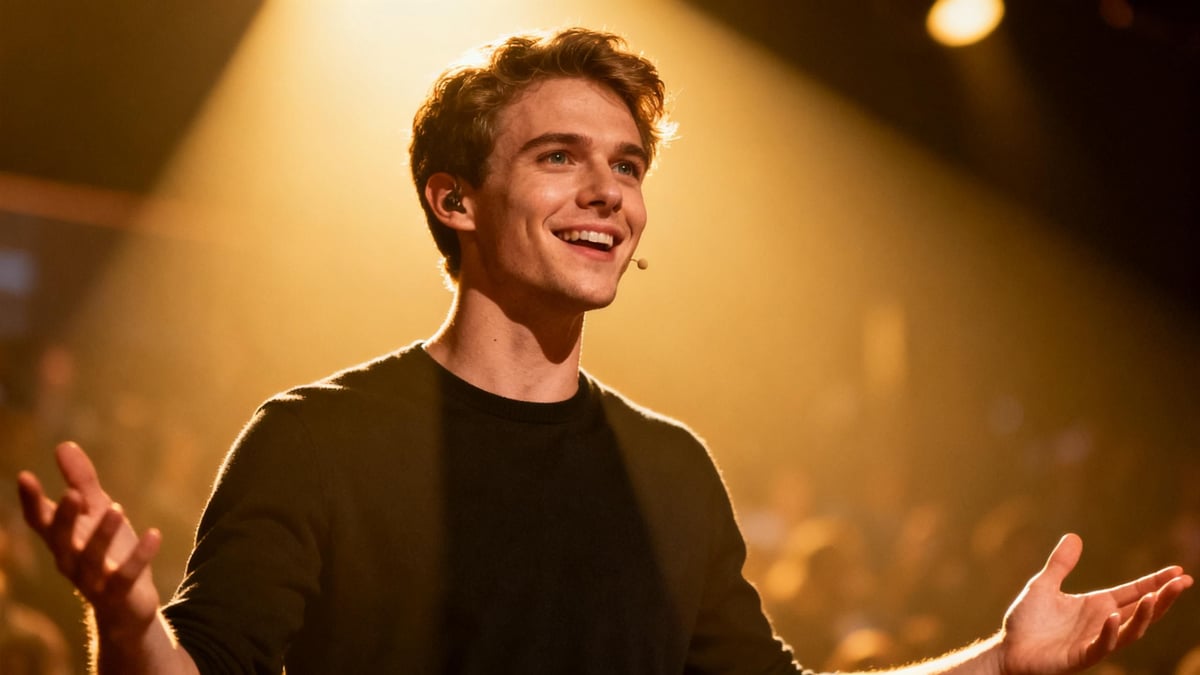
Launch Event Planning Guide: How to Create Memorable Product Launch Events
A well-executed launch event can generate buzz, attract media attention, and create momentum for your product. This comprehensive guide covers everything from initial planning to post-event follow-up.
Launch Event Objectives
Primary Goals
Generate Awareness
- Media coverage
- Social media buzz
- Industry attention
- Brand visibility
Build Excitement
- Product anticipation
- Customer interest
- Market momentum
- FOMO creation
Demonstrate Value
- Product capabilities
- Use cases
- Competitive advantages
- Customer benefits
Drive Action
- Pre-orders
- Sign-ups
- Partnerships
- Investment interest
Event Format Options
Virtual Launch Events
Advantages:
- Global reach
- Lower costs
- Easy recording
- Scalable attendance
- Data tracking
Best For:
- Software products
- Digital services
- Global audiences
- Budget constraints
- Ongoing engagement
Platform Options:
- Zoom Webinars
- YouTube Live
- LinkedIn Live
- Custom streaming
- Hybrid platforms
In-Person Launch Events
Advantages:
- Personal connection
- Hands-on experience
- Networking opportunities
- Media presence
- Memorable moments
Best For:
- Physical products
- High-end launches
- Local markets
- VIP audiences
- Brand experiences
Venue Types:
- Conference centers
- Hotels
- Unique venues
- Company headquarters
- Retail locations
Hybrid Events
Advantages:
- Best of both worlds
- Maximum reach
- Flexible attendance
- Multiple touchpoints
- Extended engagement
Considerations:
- Technical complexity
- Higher costs
- Coordination challenges
- Dual audience management
Planning Timeline
3 Months Before
Strategic Planning:
- Define objectives
- Set budget
- Choose format
- Select date
- Identify target audience
- Create event concept
- Assemble team
Venue & Logistics:
- Research venues
- Book location
- Plan layout
- Arrange catering
- Secure AV equipment
2 Months Before
Content Development:
- Finalize presentation
- Create demo plan
- Develop materials
- Design visuals
- Write scripts
Marketing & Promotion:
- Create landing page
- Design invitations
- Plan PR strategy
- Develop social campaign
- Prepare press kit
1 Month Before
Invitations & Registration:
- Send invitations
- Set up registration
- Confirm speakers
- Brief presenters
- Arrange travel
Production Planning:
- Finalize run of show
- Rehearse presentations
- Test technology
- Prepare backup plans
- Coordinate vendors
1 Week Before
Final Preparations:
- Confirm attendance
- Final rehearsals
- Print materials
- Prepare swag
- Brief team
Technical Checks:
- Test all equipment
- Verify internet
- Check lighting
- Test audio
- Backup systems
Day Before
Setup & Testing:
- Venue setup
- Technical run-through
- Final rehearsal
- Prepare registration
- Team briefing
Event Day
Execution:
- Early arrival
- Final checks
- Team positions
- Welcome guests
- Execute event
- Capture content
- Manage issues
Event Structure
The 90-Minute Format
Pre-Event (30 minutes)
Registration & Networking
├── Check-in process
├── Welcome drinks
├── Product teaser displays
└── Networking opportunity
Main Event (60 minutes)
Opening (5 min)
├── Welcome
├── Context setting
└── Agenda overview

Company Story (10 min)
├── Mission and vision
├── Market opportunity
├── Customer insights
└── Innovation journey

Product Reveal (25 min)
├── Problem statement
├── Solution introduction
├── Feature demonstrations
├── Use case examples
└── Competitive advantages

Customer Stories (10 min)
├── Beta user testimonials
├── Success metrics
├── Real-world applications
└── Future possibilities

Availability & Pricing (5 min)
├── Launch timeline
├── Pricing tiers
├── Special offers
└── How to order

Q&A (5 min)
├── Audience questions
├── Media inquiries
└── Clarifications
Post-Event (30 minutes)
Networking & Demos
├── Hands-on experience
├── One-on-one conversations
├── Media interviews
└── Photo opportunities
Audience Engagement
Interactive Elements
Live Demonstrations
Setup:
• Multiple demo stations
• Trained staff
• Clear signage
• Queue management

Experience:
• Hands-on interaction
• Guided walkthrough
• Question answering
• Feedback collection
Audience Participation
Techniques:
• Live polling
• Q&A sessions
• Social media integration
• Gamification
• Prize drawings
Networking Facilitation
Methods:
• Structured introductions
• Topic tables
• Speed networking
• Digital matchmaking
• Follow-up tools
Social Media Integration
Live Coverage
Strategies:
• Event hashtag
• Live tweeting
• Instagram stories
• LinkedIn updates
• Facebook Live

Content Ideas:
• Behind-the-scenes
• Speaker quotes
• Product reveals
• Audience reactions
• Key announcements
User-Generated Content
Encourage:
• Photo sharing
• Video testimonials
• Live reactions
• Product experiences
• Event highlights

Incentivize:
• Contests
• Prizes
• Recognition
• Exclusive access
• Swag rewards
Media Relations
Press Kit Essentials
Core Materials:
1. Press Release
   • Headline
   • Key facts
   • Quotes
   • Boilerplate
   • Contact info

2. Product Fact Sheet
   • Specifications
   • Features
   • Pricing
   • Availability
   • Images

3. Executive Bios
   • Headshots
   • Background
   • Quotes
   • Contact info

4. High-Res Images
   • Product photos
   • Lifestyle shots
   • Logos
   • Screenshots
   • Event photos

5. Demo Videos
   • Product overview
   • Feature highlights
   • Use cases
   • Testimonials
Media Outreach Strategy
Pre-Event:
4 Weeks Before:
• Send save-the-date
• Pitch exclusive previews
• Offer early access

2 Weeks Before:
• Send formal invitations
• Provide background materials
• Schedule interviews

1 Week Before:
• Confirm attendance
• Share embargo details
• Arrange logistics
During Event:
• Dedicated media area
• Press kit distribution
• Interview scheduling
• Photo opportunities
• Live updates
Post-Event:
• Send press release
• Share event highlights
• Provide additional assets
• Follow up on coverage
• Thank participants
Technical Production
AV Requirements
Essential Equipment:
Visual:
• Projector/LED wall
• Confidence monitors
• Presentation laptop
• Backup laptop
• Video switcher

Audio:
• Wireless microphones
• Lapel mics
• Handheld mics
• Sound system
• Audio mixer

Lighting:
• Stage lighting
• Ambient lighting
• Spotlight
• Backup lights

Recording:
• Video cameras (multiple angles)
• Audio recording
• Screen capture
• Streaming equipment
Technical Team:
- AV technician
- Lighting operator
- Camera operators
- Sound engineer
- Streaming specialist
- Technical director
Backup Plans
Contingencies:
Internet Failure:
• Mobile hotspot backup
• Pre-downloaded content
• Offline presentations
• Alternative demos

Equipment Failure:
• Backup devices
• Spare cables
• Extra batteries
• Alternative setups

Presenter Issues:
• Backup speakers
• Pre-recorded segments
• Team coverage
• Flexible agenda
Budget Planning
Cost Categories
Venue & Catering:
Venue rental:        $5,000 - $20,000
Catering:           $50 - $150 per person
Bar service:        $30 - $75 per person
Service staff:      $500 - $2,000
Production:
AV equipment:       $3,000 - $15,000
Lighting:           $1,000 - $5,000
Staging:            $2,000 - $10,000
Recording:          $1,500 - $5,000
Marketing:
Invitations:        $500 - $2,000
Website/landing:    $1,000 - $5,000
PR services:        $3,000 - $15,000
Social media:       $1,000 - $5,000
Materials:
Swag/gifts:         $10 - $50 per person
Printed materials:  $500 - $2,000
Signage:            $500 - $3,000
Demo units:         $1,000 - $10,000
Miscellaneous:
Insurance:          $500 - $2,000
Permits:            $200 - $1,000
Contingency (10%):  10% of total budget
Budget Optimization
Cost-Saving Strategies:
- Off-peak timing
- Company venue
- Digital invitations
- In-house production
- Volunteer staff
- Sponsor partnerships
- Virtual components
Post-Event Activities
Immediate Follow-Up (24 Hours)
Content Distribution:
- Share event recording
- Post highlight reel
- Publish photos
- Send thank you emails
- Distribute press release
Engagement:
- Respond to social media
- Answer questions
- Share user content
- Acknowledge attendees
- Follow up with media
Week 1 Follow-Up
Lead Nurturing:
Attendees:
• Personalized thank you
• Product trial offer
• Exclusive discount
• Additional resources
• Feedback survey

No-shows:
• Event recording
• Key highlights
• Product information
• Rescheduled demo
• Future event invite

Media:
• Coverage tracking
• Additional assets
• Interview offers
• Story ideas
• Relationship building
Measurement & Analysis
Key Metrics:
Attendance:
• Registration rate
• Attendance rate
• Audience composition
• Engagement level

Media:
• Coverage quantity
• Reach/impressions
• Sentiment
• Share of voice

Social Media:
• Mentions
• Hashtag usage
• Engagement rate
• Reach
• User content

Business Impact:
• Leads generated
• Pre-orders
• Sign-ups
• Partnerships
• Revenue
Common Mistakes to Avoid
Planning Mistakes
❌ Starting Too Late ✅ Begin planning 3-6 months in advance
❌ Unclear Objectives ✅ Define specific, measurable goals
❌ Wrong Audience ✅ Target the right stakeholders
❌ Inadequate Budget ✅ Plan realistically with contingency
Execution Mistakes
❌ Poor Timing ✅ Avoid conflicts, choose optimal time
❌ Technical Issues ✅ Test everything multiple times
❌ Boring Presentations ✅ Create engaging, interactive content
❌ No Follow-Up ✅ Have systematic post-event plan
Key Takeaways
-
Start Early: Give yourself 3-6 months for proper planning
-
Know Your Audience: Tailor every element to your target attendees
-
Create Experiences: Go beyond presentations to memorable moments
-
Test Everything: Technical rehearsals prevent embarrassing failures
-
Engage Media: Build relationships and make their job easy
-
Leverage Social: Amplify reach through digital channels
-
Plan for Problems: Have backup plans for every critical element
-
Measure Results: Track metrics to improve future events
-
Follow Up Fast: Strike while momentum is hot
-
Learn and Improve: Analyze what worked and what didn't
Next Steps
Ready to plan your launch event?
- Download our event planning checklist with detailed timelines
- Access our budget template for accurate cost planning
- Watch successful launch events for inspiration
- Join our event planning workshop for expert guidance
Remember: A great launch event creates lasting impressions and sets the tone for your product's success in the market.
Looking to master product launches? Check out our Product Launch Presentation Guide and Apple Keynote Presentation Analysis.