TEDx Speaker Guide: How to Get Selected and Deliver an Outstanding TEDx Talk
Complete guide to becoming a TEDx speaker, from application to delivery. Learn how to craft your idea, apply successfully, and deliver a talk that spreads.
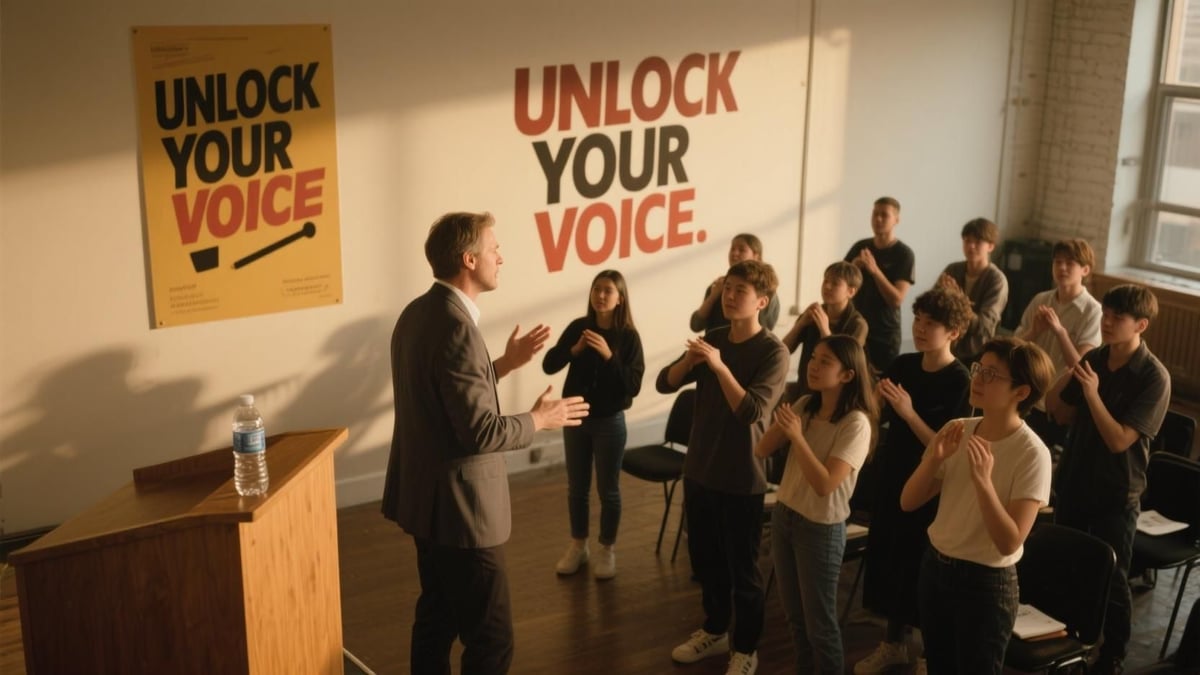
TEDx Speaker Guide: How to Get Selected and Deliver an Outstanding TEDx Talk
Delivering a TEDx talk can transform your career, amplify your message, and establish you as a thought leader. This comprehensive guide walks you through every step—from developing your idea to delivering a talk that resonates.
Understanding TEDx
TED vs. TEDx
TED (Official)
- Curated by TED organization
- Annual conferences
- Invitation-only speakers
- Global reach
- Higher production value
TEDx (Independent)
- Locally organized events
- Licensed by TED
- Open application process
- Community-focused
- Follows TED guidelines
TEDx Requirements
Core Principles:
- Ideas worth spreading
- 18 minutes or less
- No sales pitches
- No political agendas
- Original content
- Engaging delivery
Speaker Criteria:
- Unique perspective
- Credible expertise
- Compelling story
- Clear communication
- Authentic passion
Finding the Right TEDx Event
Research Process
Event Discovery:
Resources:
• TED.com/tedx/events
• Local community boards
• Social media (LinkedIn, Twitter)
• University announcements
• Professional networks
Evaluation Criteria:
Consider:
• Event theme alignment
• Audience size and type
• Production quality
• Past speaker lineup
• Organizer reputation
• Application timeline
• Location and logistics
Event Types
University TEDx
- Academic focus
- Student audience
- Research-friendly
- Educational themes
Corporate TEDx
- Business innovation
- Professional audience
- Industry-specific
- Leadership topics
Community TEDx
- Diverse topics
- General audience
- Local impact
- Broad themes
Specialty TEDx
- Niche focus (TEDxWomen, TEDxYouth)
- Targeted audience
- Specific themes
- Unique perspectives
Developing Your Idea
The "Idea Worth Spreading" Test
Ask Yourself:
1. Is it original?
   "What's my unique angle or insight?"

2. Is it important?
   "Why does this matter now?"

3. Is it actionable?
   "What can people do with this?"

4. Is it universal?
   "Will this resonate beyond my field?"

5. Is it authentic?
   "Am I the right person to share this?"
Idea Frameworks
The Transformation Model
Structure:
1. What most people believe
2. Why that's limiting
3. A better way to think
4. How it changes everything
5. What you can do now
The Discovery Model
Structure:
1. The question I asked
2. What I discovered
3. Why it surprised me
4. What it means for you
5. Where we go from here
The Challenge Model
Structure:
1. The problem we face
2. Why current solutions fail
3. A radical new approach
4. Evidence it works
5. How to implement it
Refining Your Concept
The One-Sentence Test:
"I want my audience to understand that [core idea]
because [why it matters] so they can [take action]."

Example:
"I want my audience to understand that failure is
essential for innovation because avoiding failure
prevents growth, so they can embrace productive failure."
The Application Process
Application Components
1. Speaker Application Form
Typical Questions:
• What's your idea?
• Why is it worth spreading?
• Why are you qualified to speak on this?
• What's your speaking experience?
• How does your idea fit our theme?
• What will the audience learn?
2. Video Audition
Requirements:
• 2-3 minutes long
• Introduce yourself
• Explain your idea
• Show your speaking style
• Demonstrate passion

Tips:
• Good lighting and audio
• Eye contact with camera
• Energetic delivery
• Clear and concise
• Show personality
3. Talk Outline
Include:
• Opening hook
• Main points (3-5)
• Key stories/examples
• Closing message
• Estimated timing
4. Supporting Materials
Optional:
• Speaker bio
• Professional headshot
• Previous speaking videos
• Published work
• Media coverage
• Testimonials
Application Best Practices
Do: ✅ Tailor to event theme ✅ Show genuine passion ✅ Be specific and concrete ✅ Demonstrate expertise ✅ Highlight uniqueness ✅ Proofread carefully
Don't: ❌ Submit generic applications ❌ Oversell yourself ❌ Use jargon ❌ Be vague ❌ Miss deadlines ❌ Ignore guidelines
Increasing Selection Chances
Build Your Profile:
- Develop online presence
- Publish thought leadership
- Speak at smaller events
- Build social media following
- Network with organizers
- Get testimonials
Start Small:
- Local TEDx events
- Smaller audience events
- Practice talks
- Toastmasters
- Industry conferences
Crafting Your Talk
The 18-Minute Structure
Opening (2 minutes)
Hook:
• Surprising fact
• Personal story
• Provocative question
• Bold statement

Setup:
• Why this matters
• What you'll cover
• Personal connection
Body (13 minutes)
Point 1 (4 min):
• Main idea
• Supporting story
• Evidence/data
• Transition

Point 2 (4 min):
• Second idea
• Compelling example
• Research/proof
• Connection

Point 3 (5 min):
• Final insight
• Powerful story
• Synthesis
• Implications
Closing (3 minutes)
Recap:
• Key takeaways
• Call to action
• Inspiring vision
• Memorable ending
Storytelling Techniques
Personal Narratives:
"Ten years ago, I stood in a hospital room, watching my
father struggle with a disease that shouldn't exist. That
moment changed everything. It led me to discover..."
Universal Experiences:
"We've all felt that moment of doubt—when you're about to
take a risk and a voice says 'you can't do this.' Here's
what I learned about that voice..."
Surprising Insights:
"What if I told you that everything you know about [topic]
is wrong? For the past five years, I've studied [subject],
and the data reveals something shocking..."
Data and Evidence
Make Numbers Memorable:
❌ "47.3% of participants showed improvement"
✅ "Nearly half the people we studied transformed their lives"

❌ "The market is worth $2.3 billion"
✅ "Imagine a pile of money taller than this building"
Use Analogies:
"The amount of data we create daily is equivalent to
every person on Earth writing a novel—every single day."
Rehearsal and Preparation
Practice Timeline
8 Weeks Before:
- Finalize script
- Memorize opening
- Practice daily (30 min)
- Record yourself
- Get initial feedback
6 Weeks Before:
- Memorize full talk
- Practice with gestures
- Refine timing
- Test with audience
- Incorporate feedback
4 Weeks Before:
- Polish delivery
- Perfect transitions
- Practice without notes
- Multiple run-throughs
- Video analysis
2 Weeks Before:
- Final rehearsals
- Venue walkthrough
- Technical check
- Backup plans
- Mental preparation
Week Of:
- Light practice
- Vocal rest
- Visualization
- Confidence building
- Final tech check
Memorization Techniques
The Chunking Method:
1. Break talk into 2-minute segments
2. Memorize one segment at a time
3. Practice transitions
4. Link segments together
5. Run through complete talk
The Journey Method:
1. Associate each point with a location
2. Visualize walking through locations
3. Trigger memories with spatial cues
4. Practice the mental journey
5. Use on stage for recall
The Repetition Method:
1. Read script aloud 10 times
2. Practice from memory 10 times
3. Record and listen 10 times
4. Present to others 10 times
5. Refine and repeat
Delivery Techniques
Stage Presence
Body Language:
Opening:
• Center stage
• Open posture
• Grounded stance
• Confident smile

During Talk:
• Purposeful movement
• Natural gestures
• Audience connection
• Energy variation

Closing:
• Return to center
• Strong final stance
• Pause for impact
• Graceful exit
Voice Control:
Pace:
• Vary speed
• Slow for emphasis
• Pause strategically
• Build momentum

Volume:
• Project clearly
• Vary for effect
• Whisper for intimacy
• Crescendo for impact

Tone:
• Authentic emotion
• Conversational style
• Passionate delivery
• Warm connection
Handling Nerves
Pre-Talk Rituals:
Physical:
• Deep breathing (4-7-8 technique)
• Power poses (2 minutes)
• Light exercise
• Vocal warm-ups

Mental:
• Positive visualization
• Affirmations
• Focus on message
• Remember your why

Practical:
• Arrive early
• Check equipment
• Meet organizers
• Connect with audience
On-Stage Techniques:
If you forget:
• Pause and breathe
• Refer to your theme
• Skip to next point
• Stay confident

If you stumble:
• Acknowledge briefly
• Smile and continue
• Don't apologize excessively
• Maintain energy
Technical Considerations
Slides and Visuals
TED Guidelines:
Do:
• Minimal text
• High-quality images
• Simple graphics
• Clear fonts
• Consistent design

Don't:
• Bullet points
• Complex charts
• Distracting animations
• Too many slides
• Reading from slides
Slide Examples:
Opening Slide:
• Title + powerful image
• Your name
• No text

Content Slides:
• One idea per slide
• Visual support
• 3-7 words maximum
• High contrast

Closing Slide:
• Key message
• Call to action
• Contact info (if allowed)
Audio and Lighting
Microphone:
- Lavalier (clip-on) preferred
- Sound check essential
- Backup mic available
- Know how to adjust
Lighting:
- Stage lighting setup • Avoid shadows • Test beforehand • Know your marks • Adapt if needed
Post-Talk Strategy
Immediate Actions
Day Of:
- Thank organizers
- Connect with attendees
- Share on social media
- Collect feedback
- Celebrate!
Week After:
- Send thank you notes
- Request video link
- Gather testimonials
- Update materials
- Plan next steps
Leveraging Your Talk
Video Release:
When Available:
• Share across platforms
• Embed on website
• Include in speaker kit
• Use in marketing
• Submit to TED.com
Content Repurposing:
Create:
• Blog post series
• LinkedIn articles
• Podcast episodes
• Book chapter
• Workshop content
• Social media clips
Speaking Opportunities:
Use TEDx to:
• Book paid speaking gigs
• Secure media interviews
• Attract clients
• Build authority
• Expand network
Common Mistakes to Avoid
Content Mistakes: ❌ Too broad or vague ❌ Too much information ❌ Lack of structure ❌ No clear takeaway ❌ Overly technical
Delivery Mistakes: ❌ Reading from notes ❌ Monotone delivery ❌ Pacing issues ❌ Poor eye contact ❌ Nervous habits
Preparation Mistakes: ❌ Insufficient practice ❌ Last-minute changes ❌ Ignoring feedback ❌ Technical neglect ❌ Overconfidence
Key Takeaways
-
Start with a Strong Idea: Ensure your concept is original, important, and actionable
-
Research Events: Find TEDx events that align with your message and audience
-
Craft Compelling Applications: Tailor each application and show genuine passion
-
Structure Carefully: Use proven frameworks to organize your 18-minute talk
-
Tell Stories: Connect emotionally through personal and universal narratives
-
Practice Extensively: Memorize thoroughly and rehearse until delivery is natural
-
Master Stage Presence: Use body language, voice, and movement effectively
-
Prepare Technically: Test all equipment and have backup plans ready
-
Manage Nerves: Use proven techniques to channel anxiety into energy
-
Leverage the Platform: Use your TEDx talk to amplify your message and impact
Next Steps
Ready to become a TEDx speaker?
- Download our TEDx application template with winning examples
- Access our talk structure worksheet for organizing your ideas
- Watch our TEDx speaker training with expert coaching
- Join our speaker community for feedback and support
Remember: Your idea is worth spreading. With preparation, practice, and passion, you can deliver a TEDx talk that changes lives.
Want to master TED-style speaking? Check out our TED Talk Secrets Success and TED Style Storytelling guides.