University Commencement Best Practices: Complete Guide to Graduation Ceremony Excellence
Master university commencement speaking with comprehensive best practices for preparation, delivery, protocol, and creating memorable graduation ceremony experiences.
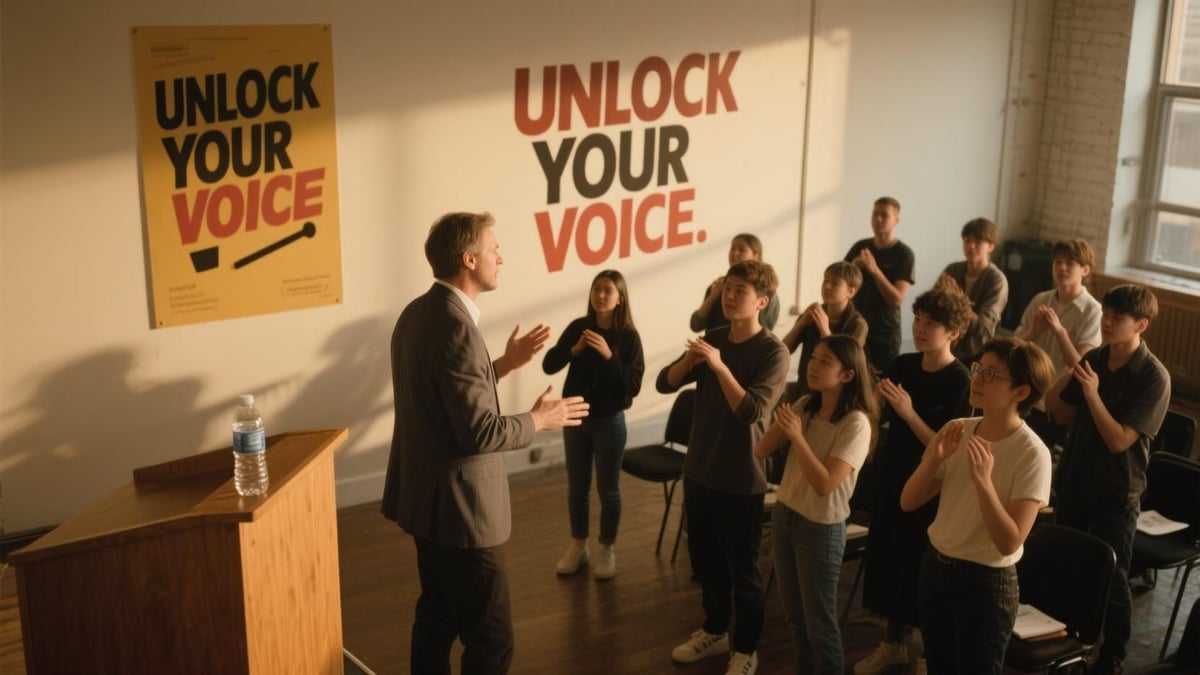
University Commencement Best Practices: Complete Guide to Graduation Ceremony Excellence
Speaking at a university commencement requires understanding academic traditions, ceremony protocols, and audience expectations. This comprehensive guide ensures you deliver a memorable address while honoring the occasion's significance.
Understanding Commencement Context
The Ceremony Significance
Academic Tradition:
- Centuries-old rituals
- Formal protocols
- Institutional pride
- Cultural significance
Personal Milestone:
- Years of hard work
- Family celebration
- Life transition
- Achievement recognition
Community Event:
- Institutional showcase
- Alumni connection
- Public relations
- Legacy building
Audience Composition
Primary: Graduates (30%)
Mindset:
• Excited but anxious
• Ready for next chapter
• Proud of achievement
• Eager to celebrate

Attention Span:
• High at start
• Wanes after 20 min
• Recovers for closing
Secondary: Families (50%)
Mindset:
• Extremely proud
• Emotional
• Photo-focused
• Celebrating investment

Attention Span:
• Moderate throughout
• Patient with tradition
• Value memorable moments
Tertiary: Faculty & Staff (20%)
Mindset:
• Professional pride
• Educational mission
• Institutional values
• Ceremony veterans

Attention Span:
• Professional attention
• Appreciate substance
• Notice protocol
Pre-Ceremony Preparation
Initial Planning (3-6 Months Before)
Coordination with Institution:
Key Contacts:
• President's office
• Commencement coordinator
• Communications director
• Faculty liaison
• Event manager

Information to Gather:
• Ceremony date and time
• Venue details
• Expected attendance
• Other speakers
• Institutional priorities
• Cultural considerations
• Technical capabilities
Understanding the Institution:
Research:
• University history
• Mission and values
• Recent achievements
• Student demographics
• Academic programs
• Notable alumni
• Current initiatives
• Community context
Speech Development (6-8 Weeks Before)
Content Guidelines:
Length: 15-20 minutes maximum
Tone: Inspiring but appropriate
Content: Universal wisdom
Avoid: Politics, religion, sales
Include: Acknowledgments
Focus: Graduate-centric
Institutional Alignment:
Incorporate:
• University values
• Academic excellence
• Community service
• Innovation themes
• Diversity and inclusion
• Global perspective
Protocol and Etiquette
Academic Regalia:
Requirements:
• Cap and gown (provided or personal)
• Hood (if doctorate)
• Proper colors
• Correct wearing
• Professional appearance

Coordination:
• Confirm requirements early
• Arrange fitting if needed
• Understand significance
• Respect tradition
Ceremony Roles:
Typical Participants:
• University President
• Board members
• Faculty representatives
• Student speakers
• Honorary degree recipients
• Platform party
• Processional participants

Your Role:
• Commencement speaker
• Platform party member
• Processional participant
• Possible degree conferral
Speech Content Best Practices
Acknowledgments
Essential Recognition:
Opening Acknowledgments:
"President [Name], distinguished faculty, proud families,
and most importantly, the graduating Class of [Year]..."

Include:
• University president (by name)
• Board of trustees
• Faculty and staff
• Families and supporters
• Special guests
• Graduates (emphasis)
Institutional Appreciation:
"Thank you to [University Name] for this honor. This
institution has shaped minds and changed lives for [X]
years. Today, we celebrate not just degrees earned, but
the transformative education you've received here."
Content Appropriateness
What to Include:
✓ Universal life lessons
✓ Personal stories (relatable)
✓ Practical wisdom
✓ Inspiring vision
✓ Humor (appropriate)
✓ Acknowledgment of challenges
✓ Confidence in graduates
✓ Call to action
What to Avoid:
✗ Partisan politics
✗ Religious proselytizing
✗ Product/service promotion
✗ Controversial topics
✗ Inside jokes
✗ Excessive length
✗ Inappropriate humor
✗ Negativity or cynicism
Balancing Audiences
For Graduates:
• Practical advice
• Future-focused
• Empowering message
• Relatable struggles
• Actionable wisdom
For Families:
• Acknowledge their role
• Validate their pride
• Recognize their sacrifice
• Share their joy
• Offer reassurance
For Institution:
• Honor traditions
• Reflect values
• Celebrate excellence
• Acknowledge faculty
• Enhance reputation
Delivery Best Practices
Technical Preparation
Venue Familiarization:
Visit if Possible:
• Stage layout
• Podium position
• Sight lines
• Acoustics
• Lighting
• Weather considerations (outdoor)
• Backup plans
Equipment Check:
Confirm:
• Microphone type
• Podium light
• Teleprompter (if used)
• Water availability
• Note placement
• Backup systems
Ceremony Day Protocol
Arrival and Staging:
Timeline:
• Arrive 90 minutes early
• Check in with coordinator
• Robe and prepare
• Review final details
• Join processional lineup
• Enter with dignity
Processional Etiquette:
Expectations:
• Solemn demeanor
• Appropriate pace
• Follow protocol
• Acknowledge audience
• Take assigned seat
• Remain attentive
Delivery Considerations
Environmental Factors:
Outdoor Venues:
• Weather unpredictability
• Wind (secure notes)
• Sun glare
• Temperature
• Noise interference
• Audience comfort

Indoor Venues:
• Acoustics
• Temperature
• Lighting
• Sight lines
• Audience size
Timing Management:
Considerations:
• Ceremony length (2-3 hours total)
• Multiple speakers
• Degree conferral time
• Audience endurance
• Weather (outdoor)
• Facility constraints

Your Speech:
• Stick to agreed time
• Have cut points ready
• Watch for signals
• Respect the schedule
Audience Engagement
Eye Contact Strategy:
Scan Pattern:
• Center graduates
• Left section
• Right section
• Back rows
• Platform party
• Families

Avoid:
• Reading entire speech
• Focusing on one area
• Ignoring sections
• Looking down constantly
Energy Management:
Pacing:
• Start strong
• Build momentum
• Vary intensity
• Create peaks
• End powerfully

Vocal Variety:
• Volume changes
• Pace variation
• Emotional range
• Strategic pauses
• Clear articulation
Handling Special Situations
Weather Challenges (Outdoor)
Preparation:
Have Ready:
• Shortened version
• Weather-appropriate remarks
• Flexibility mindset
• Positive attitude
Adaptations:
If Hot:
• Acknowledge discomfort
• Keep it brief
• Show empathy
• Maintain energy

If Rainy:
• Humor about weather
• Shorter delivery
• Practical adjustments
• Positive spin
Technical Difficulties
Microphone Issues:
Response:
• Stay calm
• Project voice
• Wait for fix
• Use humor
• Continue professionally
Time Constraints:
If Running Late:
• Cut to key points
• Maintain quality
• Skip examples
• Keep closing strong
• Don't apologize excessively
Unexpected Interruptions
Audience Reactions:
Cheering/Applause:
• Pause and smile
• Acknowledge enthusiasm
• Allow the moment
• Continue gracefully

Disruptions:
• Stay composed
• Brief pause
• Continue professionally
• Don't engage negatively
Post-Speech Protocol
Immediate Actions
Ceremony Conclusion:
After Speaking:
• Return to seat
• Remain attentive
• Participate in conferral
• Join recessional
• Attend reception (if invited)
Photo Opportunities:
Expectations:
• Official photos
• Graduate requests
• Family photos
• Media coverage
• Social media
Follow-Up
Thank You Communications:
Within 24 Hours:
• Email university president
• Thank commencement team
• Acknowledge hospitality
• Express appreciation
Content Sharing:
Coordinate:
• Speech text (if requested)
• Video rights
• Social media posts
• Media inquiries
• Institutional use
Common Mistakes to Avoid
Content Mistakes
❌ Too Long: "I have 47 pieces of advice..." → Graduates tune out
✅ Focused: "Three lessons that changed my life..."
❌ Too Political: "Vote for..." → Alienates audience
✅ Universal: "Engage in your community..."
❌ Self-Promotional: "Buy my book..." → Inappropriate
✅ Service-Oriented: "Here's what I learned..."
Protocol Mistakes
❌ Ignoring Traditions: Disrespecting academic customs
✅ Honoring Ceremony: Following established protocols
❌ Inappropriate Attire: Casual dress or wrong regalia
✅ Proper Dress: Correct academic regalia
❌ Disrespecting Time: Speaking 30+ minutes
✅ Time Conscious: 15-20 minutes maximum
Measuring Success
Immediate Indicators
During Speech:
Positive Signs:
• Attentive audience
• Appropriate laughter
• Emotional moments
• Applause at key points
• Standing ovation

Concerning Signs:
• Restlessness
• Phone usage
• Early departures
• Lack of response
Long-Term Impact
Success Metrics:
Qualitative:
• Memorable quotes shared
• Social media mentions
• Graduate feedback
• Institutional satisfaction
• Media coverage

Quantitative:
• Video views
• Social shares
• Press mentions
• Speaking invitations
• Institutional relationships
Key Takeaways
-
Respect Tradition: Honor academic protocols and ceremony significance
-
Know Your Audience: Balance needs of graduates, families, and institution
-
Prepare Thoroughly: Research institution, practice extensively, plan for contingencies
-
Time Discipline: 15-20 minutes maximum, no exceptions
-
Appropriate Content: Universal wisdom, avoid politics and sales
-
Professional Delivery: Proper regalia, confident presence, engaging style
-
Environmental Awareness: Adapt to venue, weather, and circumstances
-
Protocol Compliance: Follow ceremony procedures and institutional expectations
-
Gracious Participation: Engage fully in entire ceremony, not just your speech
-
Lasting Impact: Create memorable moments that honor the occasion
Next Steps
Ready for your commencement address?
- Download our commencement checklist with all protocols
- Access our institutional research template for preparation
- Watch exemplary commencement speeches for best practices
- Join our speaker community for guidance and support
Remember: A commencement address is a privilege and responsibility. Honor the occasion, inspire the graduates, and create a memory that lasts a lifetime.
Need help crafting your speech? Check out our Commencement Speech Writing Guide and Famous Graduation Speeches Analysis.