Mastering Public Speaking with Toastmasters Pathways Enhancements
Key Takeaways
Discover the latest changes to Toastmasters Pathways program and learn how to master public speaking skills through meeting roles and leadership development.
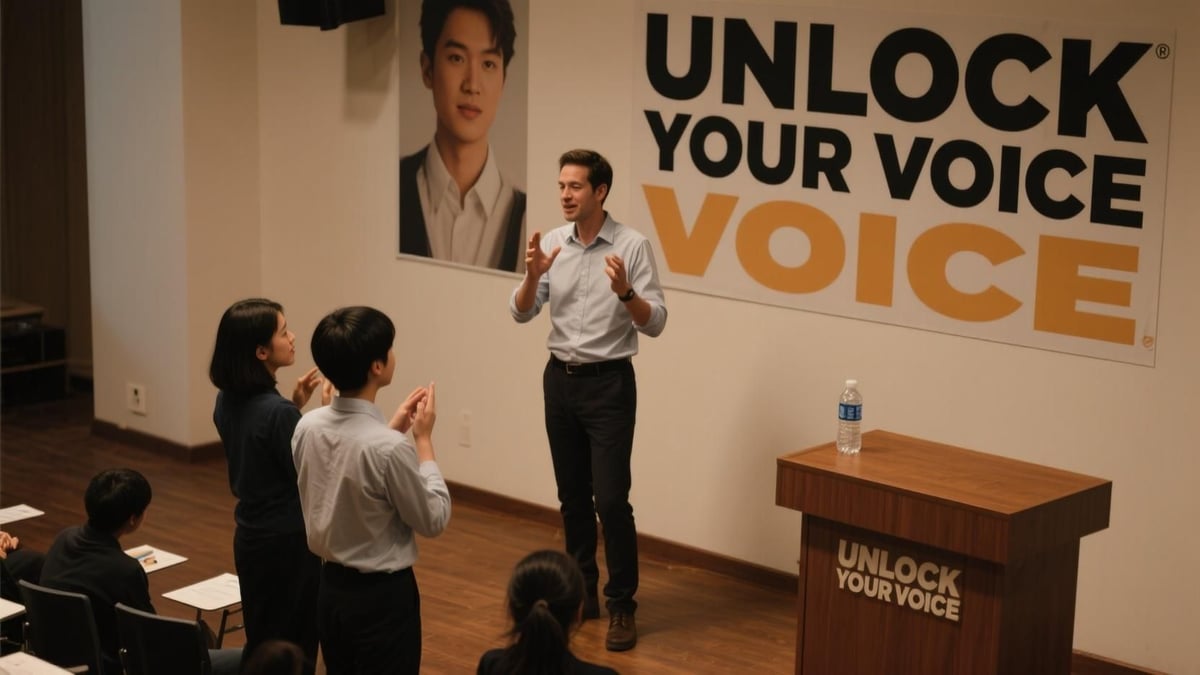
Unlocking Effective Public Speaking: Mastering Presentation Skills through Pathways Enhancements
As a public speaker, staying up-to-date with the latest trends and best practices is crucial to delivering engaging and impactful presentations. Recently, Toastmasters introduced significant changes to their Pathways program, aimed at enhancing the public speaking experience for members. In this article, we'll delve into the updates, explore their implications, and provide actionable tips to help you master the art of public speaking.
Understanding the Pathways Enhancements
The Pathways program is designed to help individuals develop their communication and leadership skills through a structured learning journey. The recent enhancements focus on meeting roles, a critical aspect of public speaking. The new requirements state that members must complete meeting roles while working on each level, rather than relying on previous experiences.
What are Meeting Roles, and Why are They Important?
Meeting roles are an essential part of the Toastmasters experience. They provide members with hands-on opportunities to practice and develop their public speaking, leadership, and communication skills in a supportive environment. By participating in various meeting roles, members can:
- Develop confidence in public speaking
- Improve their communication and leadership skills
- Enhance their ability to engage and persuade audiences
- Receive constructive feedback and guidance from peers
Navigating the New Requirements
To succeed in the Pathways program, it's essential to understand the new requirements and plan accordingly. Here are some key takeaways:
- Complete meeting roles within the designated level: Members must complete meeting roles while working on each level, rather than relying on previous experiences.
- Record your progress: Members are responsible for recording their meeting roles in Pathways. This can be a manual process, but it's essential to stay organized and track your progress.
- Seek support from your VPE: As a VPE, it's crucial to support and guide members in completing their meeting roles and recording their progress.
Tips for Mastering Meeting Roles and Public Speaking
To get the most out of the Pathways program and develop exceptional public speaking skills, follow these practical tips:
- Prepare thoroughly: Research your role, prepare your materials, and rehearse your delivery to ensure confidence and success.
- Practice active listening: Pay attention to feedback, ask questions, and engage with your audience to improve your communication skills.
- Take risks and step out of your comfort zone: Challenge yourself to take on new roles and responsibilities to accelerate your growth and development.
- Seek feedback and learn from criticism: Use feedback as an opportunity to learn and improve, and don't be afraid to ask for guidance from your peers and mentors.
Conclusion
The Pathways enhancements offer a unique opportunity for public speakers to develop their skills and confidence in a supportive environment. By understanding the new requirements, navigating the program effectively, and following practical tips, you can unlock the full potential of public speaking and achieve your goals. Remember to stay focused, persistent, and open to feedback, and you'll be well on your way to becoming a master public speaker.
Additional Resources
For more information on the Pathways program and public speaking tips, visit:
Keyword Optimization
This article incorporates the following keywords:
- Public speaking
- Presentation skills
- Communication
- Pathways program
- Meeting roles
- Leadership development
- Toastmasters