Panel Discussion Skills: Stand Out as a Panelist
Master panel discussion skills to shine on stage. Learn how to prepare, engage audiences, and make memorable contributions as a panel participant.
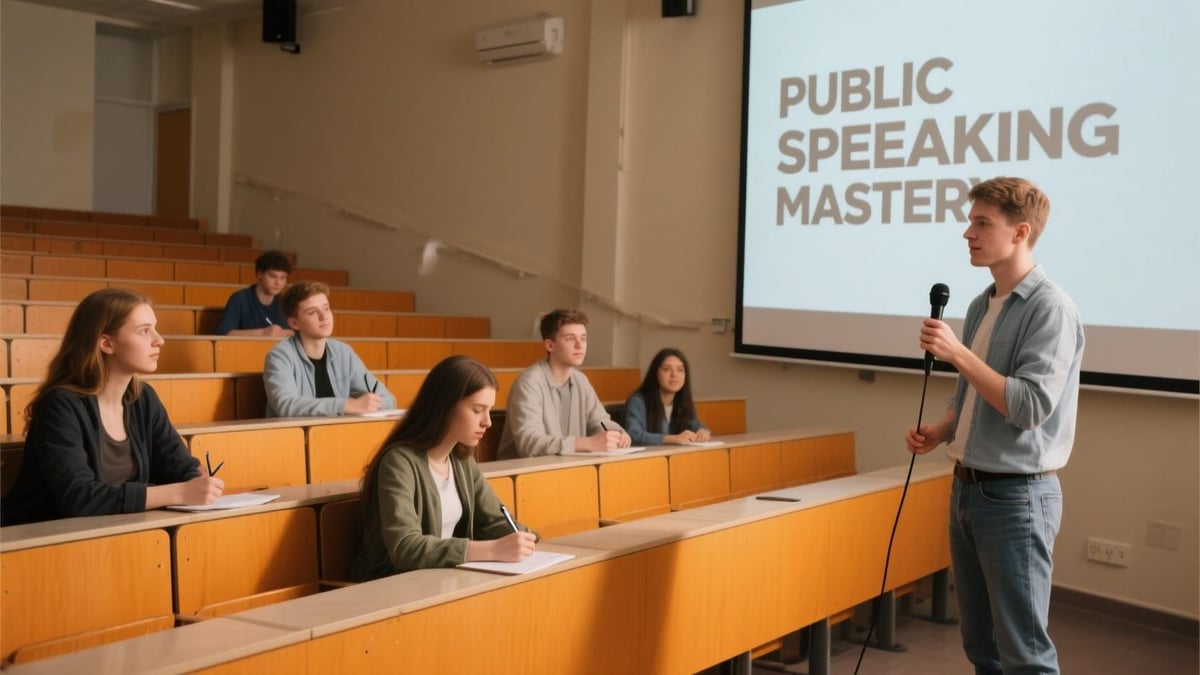
Panel Discussion Skills: Stand Out as a Panelist
Panel discussions are unique speaking opportunities where you share the stage with other experts. Success requires balancing collaboration with standing out, being concise yet impactful, and engaging both moderator and audience. This guide teaches you how to excel as a panelist and make lasting impressions.
Understanding Panel Dynamics
Panel vs. Solo Presentation
Panel Characteristics:
- Shared stage with 3-5 experts
- Moderated Q&A format
- Shorter speaking time per person
- Interactive and conversational
- Less control over flow
- Requires active listening
Your Challenge: Make impact in limited time while being collaborative
Types of Panels
1. Expert Panel
- Industry thought leaders
- Deep dive discussions
- Technical or specialized topics
- Experienced audience
2. Debate Panel
- Opposing viewpoints
- Structured arguments
- Moderator-led discussion
- Persuasive focus
3. Fireside Chat
- Informal conversation
- 2-3 participants
- Story-focused
- Intimate setting
4. Q&A Panel
- Audience-driven questions
- Varied topics
- Spontaneous responses
- Interactive format
Pre-Panel Preparation
Research and Planning
Know Your Co-Panelists:
- Review their backgrounds
- Read recent articles/posts
- Understand their perspectives
- Identify potential synergies
- Note areas of disagreement
Understand the Audience:
- Who will attend?
- What's their knowledge level?
- What are their pain points?
- What do they want to learn?
Study the Topic:
- Review panel description
- Prepare 3-5 key points
- Gather supporting data
- Develop unique angles
- Prepare examples
Coordinate with Moderator
Pre-Panel Discussion:
- Introduce yourself
- Clarify format and timing
- Share your expertise areas
- Discuss potential questions
- Align on goals
Questions to Ask:
- How long is the panel?
- What's the format?
- Will there be audience Q&A?
- Any topics to avoid?
- How will you be introduced?
Prepare Your Material
Key Messages (3-5):
- What unique perspective do you bring?
- What insights can you share?
- What stories illustrate your points?
- What data supports your views?
Anecdotes and Examples:
- 2-3 compelling stories
- Relevant case studies
- Personal experiences
- Industry examples
Sound Bites:
- Memorable one-liners
- Quotable statements
- Clear takeaways
- Tweetable insights
Making a Strong First Impression
Your Introduction
When Moderator Introduces You:
- Smile and acknowledge
- Make eye contact with audience
- Brief wave or nod
- Show confidence
If Self-Introducing (30 seconds):
- Name and title
- Relevant expertise
- Why you're qualified
- One interesting fact
Example: "I'm Sarah Chen, VP of Engineering at TechCorp. I've spent 15 years building remote teams across 20 countries. Fun fact: I've never met 80% of my team in person, and we're more productive than ever."
Opening Statement
If Asked for Opening Remarks:
Structure (60-90 seconds):
- Hook - Interesting fact or question
- Perspective - Your unique angle
- Preview - What you'll contribute
- Connection - Link to audience needs
Example: "Remote work isn't the future—it's the present. 73% of teams will be remote by 2028. I've learned that the biggest challenge isn't technology, it's trust. Today I'll share how we built a high-trust remote culture that increased productivity by 45%."
During the Panel
Active Participation
Engagement Strategies:
1. Build on Others' Points "That's a great point, John. I'd add that..." "Sarah mentioned X, which reminds me of..." "I have a different perspective on that..."
2. Bridge to Your Expertise "In my experience with [topic]..." "We faced a similar challenge when..." "The data I've seen suggests..."
3. Respectful Disagreement "I see it differently. Here's why..." "That's one approach. Another option is..." "Interesting point. I'd challenge that by..."
Speaking Techniques
Be Concise:
- 60-90 seconds per response
- One main point per answer
- Support with brief example
- End clearly
Structure Your Responses:
- Direct answer (10 seconds)
- Supporting point (30 seconds)
- Example or data (30 seconds)
- Conclusion (10 seconds)
Example: "Yes, remote work can be more productive. [Answer]
The key is asynchronous communication. When people work across time zones, they document decisions better and think before responding. [Point]
At TechCorp, we saw 30% fewer meetings and 40% better documentation after going remote. [Data]
So remote work forces better communication habits. [Conclusion]"
Body Language
Engaged Listening:
- Face the speaker
- Nod when agreeing
- Take notes
- Show interest
- React appropriately
When Speaking:
- Turn to audience
- Make eye contact
- Use open gestures
- Lean forward slightly
- Show energy
What to Avoid:
- Looking at phone
- Whispering to neighbors
- Checking watch
- Crossing arms
- Looking bored
Standing Out (Without Dominating)
Finding the Balance
Contribute Meaningfully:
- Quality over quantity
- Add unique insights
- Don't repeat others
- Bring new perspectives
Share the Spotlight:
- Don't monopolize time
- Let others finish
- Acknowledge good points
- Build on contributions
When to Jump In:
- You have unique expertise
- You can add value
- Others have spoken
- Natural pause occurs
When to Hold Back:
- Others are on a roll
- Point has been covered
- You'd be repeating
- Time is running short
Making Memorable Contributions
Techniques:
1. The Contrarian View "Everyone's talking about X, but I think Y is more important..."
2. The Surprising Stat "Here's a number that shocked me: 95% of..."
3. The Personal Story "Let me share what happened when we tried this..."
4. The Provocative Question "But have we considered what happens if...?"
5. The Practical Takeaway "Here's something you can do tomorrow..."
Handling Different Scenarios
If You're Dominating:
- Self-regulate speaking time
- Invite others' opinions
- Ask co-panelists questions
- Defer to others' expertise
If You're Being Overlooked:
- Use body language to signal
- Politely interject at pauses
- "I'd like to add..."
- "May I share a perspective?"
If Someone Dominates:
- Wait for natural break
- Support moderator's redirects
- Don't compete for airtime
- Make your moments count
If There's Disagreement:
- Stay professional
- Focus on ideas, not people
- Acknowledge valid points
- Agree to disagree gracefully
Audience Q&A
Handling Questions
When Question is For You:
- Thank the questioner
- Repeat or clarify question
- Answer concisely
- Check if that answered it
When Question is General:
- Wait for others to respond first
- Add different perspective
- Don't repeat what's been said
- Keep it brief
When You Don't Know: "Great question. That's outside my expertise, but [Co-panelist] might know."
Difficult Questions
Hostile Questions:
- Stay calm and professional
- Acknowledge their concern
- Respond to substance
- Don't get defensive
Off-Topic Questions: "That's interesting but outside today's scope. Let's connect after."
Loaded Questions: "I'd reframe that question as..." "The premise assumes X, but actually..."
Panel Etiquette
Do's
✅ Arrive early - Meet co-panelists and moderator ✅ Be prepared - Know your key points ✅ Listen actively - Show engagement ✅ Be concise - Respect time limits ✅ Support others - Build on their points ✅ Stay present - No phone checking ✅ Be authentic - Share real experiences ✅ Thank moderator - Show appreciation
Don'ts
❌ Monopolize time - Share the spotlight ❌ Interrupt others - Let them finish ❌ Self-promote - Focus on value ❌ Argue aggressively - Disagree respectfully ❌ Check out - Stay engaged throughout ❌ Ramble - Be concise and clear ❌ Contradict yourself - Stay consistent ❌ Ignore audience - Engage with them
Post-Panel Actions
Immediate Follow-Up
On Stage:
- Thank moderator and co-panelists
- Stay for networking
- Be available for questions
- Exchange contact info
Social Media:
- Thank organizers and co-panelists
- Share key insights
- Tag participants
- Use event hashtag
- Post photos
Building Relationships
With Co-Panelists:
- Connect on LinkedIn
- Share resources
- Explore collaborations
- Stay in touch
With Audience:
- Respond to questions
- Share promised resources
- Connect with interested people
- Follow up on conversations
Common Panel Mistakes
Mistake 1: Over-Preparing
Problem:
- Sounds scripted
- Can't adapt
- Misses opportunities
Solution:
- Prepare key points, not scripts
- Stay flexible
- Listen and respond naturally
Mistake 2: Self-Promotion
Problem:
- Turns off audience
- Seems salesy
- Damages credibility
Solution:
- Focus on providing value
- Share insights, not pitches
- Mention company naturally
Mistake 3: Not Listening
Problem:
- Repeats others' points
- Misses opportunities to build
- Seems disengaged
Solution:
- Active listening
- Take notes
- Build on others' ideas
Mistake 4: Being Too Passive
Problem:
- Gets overlooked
- Wastes opportunity
- Forgettable presence
Solution:
- Prepare strong points
- Signal when you want to speak
- Make contributions count
Measuring Success
Immediate Indicators
During Panel:
- Audience engagement
- Moderator follow-ups
- Co-panelist reactions
- Note-taking
After Panel:
- People approaching you
- Questions asked
- Business cards exchanged
- Social media mentions
Long-Term Impact
Track:
- LinkedIn connection requests
- Speaking invitations
- Media opportunities
- Business leads
- Professional relationships
Practice Exercises
Exercise 1: The 60-Second Response
Practice answering questions in 60 seconds:
- State position clearly
- Support with example
- End with takeaway
Exercise 2: Building on Others
Practice these phrases:
- "Building on what [Name] said..."
- "That reminds me of..."
- "I'd add that..."
- "From a different angle..."
Exercise 3: Respectful Disagreement
Practice disagreeing professionally:
- "I see it differently because..."
- "That's one perspective. Another is..."
- "I'd challenge that assumption..."
Key Takeaways
- Prepare key points, not scripts
- Listen actively and build on others
- Be concise and impactful
- Balance standing out with collaboration
- Engage both moderator and audience
- Follow up to build relationships
- Practice makes perfect
Your Panel Preparation Checklist
Before Panel:
- Research co-panelists
- Prepare 3-5 key points
- Develop 2-3 stories
- Create memorable sound bites
- Coordinate with moderator
- Plan your introduction
During Panel:
- Listen actively
- Be concise (60-90 seconds)
- Build on others' points
- Show engagement
- Make eye contact
- Stay present
After Panel:
- Network with co-panelists
- Connect with audience
- Share on social media
- Follow up on conversations
- Request testimonials
- Leverage the opportunity
Related Resources
Conclusion
Panel discussions are valuable opportunities to showcase your expertise, build your network, and establish thought leadership. By preparing strategically, participating actively, and following up effectively, you can make lasting impressions and open doors to new opportunities.
Remember: Great panelists don't dominate—they contribute meaningfully, listen actively, and make every word count. Start applying these skills at your next panel, and watch your impact grow.
Ready to excel on your next panel? Prepare your 3 key points, practice your 60-second responses, and remember to listen as much as you speak. Your unique perspective deserves to be heard.